Thanh Do University QS Stars 4 stars · National quality accreditation Ms Trang – 0985023619

What you will study

Research and application of electricity, electronics and electromagnetism: energy systems, electronics, control, signal processing and telecommunications. Specialisation: Semiconductor Technology.

  • Total: 150 credits – Excluding Physical Education, National Defence and Security Education and the foreign-language exit requirement.
  • General education: 42 credits
  • Professional education: 83 credits
  • Internship semester in industry: 18 credits
  • Graduation project or thesis: 7 credits
  • Duration: 4 years
  • Language of instruction: Vietnamese

Reference: Programme description – thanhdo.edu.vn

Facilities for this major

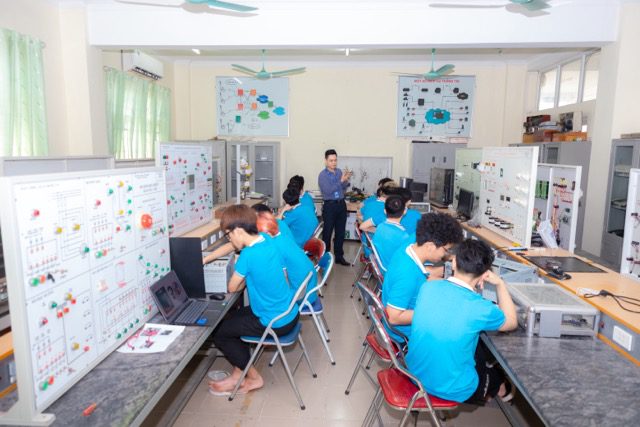
Specialised electrical and electronics practice rooms in Building B.

Electrical and electronics practice room

Career prospects

  • Designing, building, installing, operating and maintaining power systems and transmission and distribution networks
  • Designing, manufacturing, assembling and repairing electronic devices, control and automation systems
  • Researching and applying clean and renewable energy technologies
  • Designing electronic systems and computer networks
  • Operating electronic medical equipment
  • Research and production of specialised electronic equipment

Where graduates work: The power, electronics, energy, IT and healthcare sectors and specialised manufacturing.

Not a job guarantee; actual positions depend on individual ability and employer demand.

Study-abroad and further-study options

Japan · Internship and employment

Japan Internship – 12-month paid internship

Engineering students complete their company semester at a Japanese company, in partnership with LETCO.

Agreement signed – selection to be announced

Thanh Do University does not currently offer a master’s in this exact field. Further-study options published on this portal:

  • Further study in Taiwan: the 2+2 programme and INTENSE scholarship at Kun Shan University for engineering students (agreement signed, selection notice pending).
  • To move into management: the Master’s in Economic Management at Thanh Do University (if you meet the entry requirements).

Entry requirements (matching field, bridging courses, language level) follow each round’s admission notice – ask the admissions adviser to check your case.

Experience to build and CV tips

Experience to build while studying

  • An internship at a factory, M&E contractor or power company
  • Projects with microcontrollers, PLCs, sensors and automation systems
  • Reading and drafting electrical drawings with specialist software

What to highlight in your CV

  • Describe each project: requirements, solution, components and test results
  • Name the software you used: circuit design, PLC programming, simulation
  • Mention electrical safety certificates and hands-on installation experience

Keywords employers look for: PLC, automation, circuit design, microcontrollers, IoT, equipment maintenance, electrical safety.

Jobs and internships for this major

Programmes (specialisations)

Full-time undergraduate · 3.5–4 years

  • Semiconductor Technology

Bridging to a bachelor’s degree · 2.5–3.5 years (intermediate graduates); 2–3 years (college graduates or higher)

  • Electrical and Electronic Engineering Technology

Work-study undergraduate · 3–4 years (upper-secondary graduates)

  • Electrical and Electronic Engineering Technology

Current admissions

Tuition

VND 850,000 per credit (per “Full-time undergraduate tuition – 2026 intake”).

Tuition and estimated costs

Estimated tuition per year
VND 31,900,000
Estimated tuition for the whole programme
VND 127,500,000

How it is calculated: 150 credits × VND 850,000 per credit, spread evenly over 4 years.

This is an estimate for financial planning, not an official fee schedule. It excludes Physical Education, National Defence and Security Education, repeated modules, dormitory, health insurance and textbooks. Tuition may be adjusted each year as announced by the university. See the official tuition rates

Reference: Thanh Do University website (thanhdo.edu.vn) · Updated

Related notices

Sources

Reference: Thanh Do University website (thanhdo.edu.vn) · Updated

Frequently asked questions: Electrical and Electronic Engineering Technology

Answers are compiled automatically from data published on this portal, so they always match the current figures.

What do you study in Electrical and Electronic Engineering Technology?
  • Total: 150 credits – Excluding Physical Education, National Defence and Security Education and the foreign-language exit requirement.
  • General education: 42 credits
  • Professional education: 83 credits
  • Internship semester in industry: 18 credits
  • Graduation project or thesis: 7 credits
How long is Electrical and Electronic Engineering Technology and what is its code?

Major code: 7510301; standard duration 4 years; 150 credits.

How much is the tuition for Electrical and Electronic Engineering Technology?

VND 850,000 per credit; about VND 31,900,000 per year (per “Full-time undergraduate tuition – 2026 intake”, excluding accommodation, insurance and other costs).

Which subject combinations are accepted for Electrical and Electronic Engineering Technology?

A00, A01, A0C, C03, D01, D07. The combination codes are explained on the Admission methods page.

Which specialisations and programmes does Electrical and Electronic Engineering Technology offer?
  • Semiconductor Technology
  • Electrical and Electronic Engineering Technology
Which round is open for Electrical and Electronic Engineering Technology and when is the deadline?

Full-time undergraduate for vocational (trung cấp) graduates – Round 4, 2026 (17 August 2026 – 11 December 2026).

How many places does Electrical and Electronic Engineering Technology have in this round?

15 places (Full-time undergraduate for vocational (trung cấp) graduates – Round 4, 2026).

Which admission methods apply to Electrical and Electronic Engineering Technology?
  • Admission based on upper-secondary academic records
  • Admission based on cumulative GPA of the vocational programme
What jobs can Electrical and Electronic Engineering Technology graduates do?
  • Designing, building, installing, operating and maintaining power systems and transmission and distribution networks
  • Designing, manufacturing, assembling and repairing electronic devices, control and automation systems
  • Researching and applying clean and renewable energy technologies
  • Designing electronic systems and computer networks
  • Operating electronic medical equipment
  • Research and production of specialised electronic equipment

This is not a job guarantee.

Where do Electrical and Electronic Engineering Technology graduates work?

The power, electronics, energy, IT and healthcare sectors and specialised manufacturing.

What further study is possible after Electrical and Electronic Engineering Technology?
  • Further study in Taiwan: the 2+2 programme and INTENSE scholarship at Kun Shan University for engineering students (agreement signed, selection notice pending).
  • To move into management: the Master’s in Economic Management at Thanh Do University (if you meet the entry requirements).
Are there study-abroad, exchange or overseas internship options for Electrical and Electronic Engineering Technology?
  • 2+2 programme and INTENSE scholarship at Kun Shan University (Taiwan)
  • Japan Internship – 12-month paid internship
Where do Electrical and Electronic Engineering Technology students do practical training?

Specialised electrical and electronics practice rooms in Building B.

Are there scholarships or tuition support for Electrical and Electronic Engineering Technology?
  • New-student scholarships 2026 – 630 awards
  • Scholarships in the 2026 supplementary admission round
  • Tuition exemption and reduction under Decree 238/2025/ND-CP
What experience should Electrical and Electronic Engineering Technology students build?
  • An internship at a factory, M&E contractor or power company
  • Projects with microcontrollers, PLCs, sensors and automation systems
  • Reading and drafting electrical drawings with specialist software

Apply for Electrical and Electronic Engineering Technology

Leave your details and Ms Trang will call you back, check your eligibility and help you complete your application.

Step 1/3: What are you interested in?
You are

Step 2/3: What are you unsure about?
Choose one or more (optional)

Step 3/3: How can we reach you?

Sending a request is not an application for admission.

Technology

Information Technology

The Information Technology major trains engineers for digital transformation and the knowledge economy. The application-oriented, innovative programme follows international standards and focuses on software development, information systems, data science and artificial intelligence.

Major code 7480201

Technology

Automotive Engineering Technology

The Automotive Engineering Technology major at Thanh Do University trains application-oriented engineers ready to work in the era of electric vehicles, smart cars and sustainable mobility.

Major code 7510205

Ask about Electrical and Electronic Engineering Technology

Our admissions officers answer questions about majors, admission methods and procedures through the university’s official channels.

Ms Trang personally guides you and completes your application with you on the university’s official system.